Arrive Already Known: The Digital Groundwork That Makes a First UK Tour Worth It
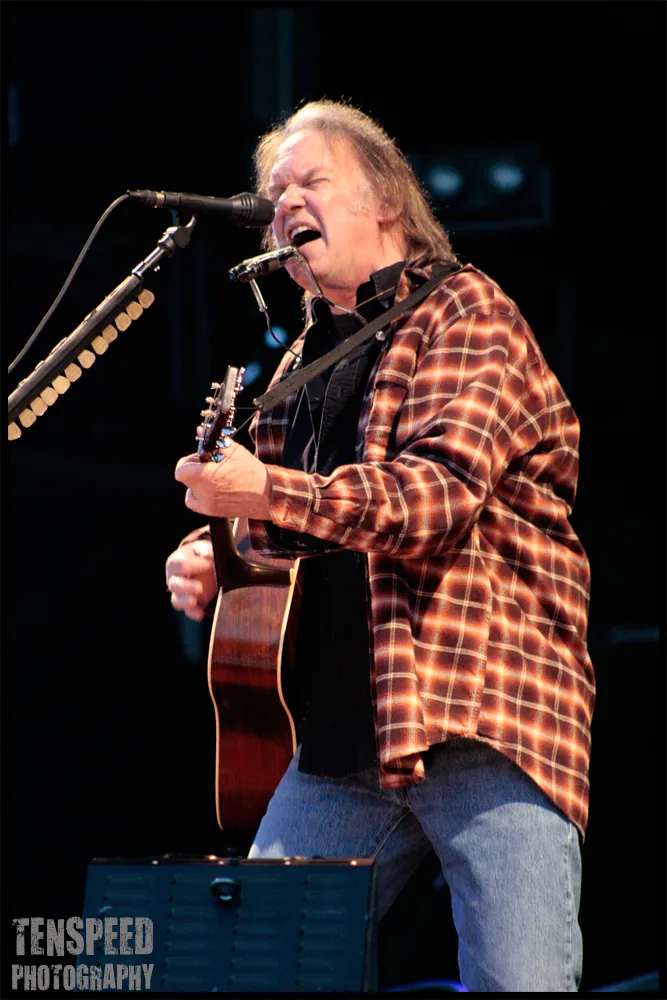
Photo: By Richard 'Tenspeed' Heaven, CC BY 2.0, via Wikimedia Commons
Nobody forgets their first UK show. Sometimes that is because it was magic. More often it is because there were nine people in the room, the promoter stopped replying in March, and the train back to a borrowed sofa cost eighty quid.
The difference between those two outcomes is rarely talent. It is groundwork — months of quiet, unglamorous digital work that means a small but real number of people in a city you have never visited already know what you sound like. This is the part that does not photograph well, so here is the whole thing written down.
Start with three clips, not a content strategy
Every artist we speak to who has built a UK audience from abroad says the same thing: they did not make 'content'. They made clips of the songs doing what the songs do.
Short-form video is a discovery engine, not a promotional channel. The clip that works is almost always a performance moment — a chorus landing in a small room, a stripped-back version filmed on a phone in a stairwell, a reaction shot of a crowd who did not expect to be shouting. If a clip needs a caption explaining why it is good, it is not the clip.
Post consistently for six months before you need anything from anyone. Three clips a week, one of which is genuinely new footage. Algorithms reward people who turn up, and so do promoters, who will quietly check your last post date before replying to an email.
Playlists are the slowest, most reliable channel you have
Editorial playlisting is a lottery. Independent playlisting is a grind, and it is the one that actually moves numbers for emerging international artists because it is where people go to find things they have not heard of.
Build a list of forty to sixty curators whose taste genuinely overlaps with yours — regional UK blogs, university radio music teams, scene-specific playlist accounts, community stations. Send a short, human note with one track, no press release, no attachment. Expect three replies out of forty. Do it again in two months with a different track. That is the whole method, and it works because almost nobody keeps doing it.
Collaborate your way into a scene
A feature with an artist who already has a hundred fans in Manchester is worth more than a thousand paid impressions, and it costs a split sheet rather than cash. Look for artists at your level in Leeds, Bristol, Glasgow, Cardiff — people with small, real audiences and their own local gig history.
Remote collaboration is now genuinely frictionless: a verse sent as a voice note, a beat swapped over email, a video call to talk through a hook. The point is not only the song. The point is that when the track comes out, someone in that city has a reason to post it, and their posts reach people who go to gigs.
Find your ally before you need one
You need one named person in the UK who is not your promoter and not your label. A local artist who will lend you a guitar cab. A community radio host who will interview you. A promoter of a 150-capacity night who will put you on in the middle of a bill. Anyone who can answer the question 'where do I get a decent bass amp in this city' at short notice.
Approach them a year out, when you want nothing. Offer something first — a guest mix, a co-write, a shout-out from a bigger platform. Alliances built during the planning stage survive the day you need them.
The 90-day sprint before you land
- Six weeks out: announce with a date, a venue name, the price, and a clip of the song people will hear. Vague announcements do not travel.
- Four weeks out: release something small and free — a voice note, a live session, a remix. Give the press and playlist contacts a fresh reason to mention you.
- Three weeks out: ask every collaborator and ally to post once, on the same day. One coordinated push beats four scattered ones.
- Two weeks out: send a personal message to everyone who has ever commented, saved or shared. Not a broadcast. Forty individual messages. This is the single highest-converting thing you can do.
- One week out: post a clip of you rehearsing the set. Show the work.
What a good first trip looks like
Three or four shows, not twelve. Cities where you have measurable evidence of listeners, not cities that sound prestigious. Small rooms that are actually full rather than big rooms that are two-thirds empty, because a promoter standing in a full 120-capacity room remembers you, and a promoter standing in a half-empty 400-capacity room does not book you twice.
Plenty of young international artists have arrived in the UK with nothing but a luggage tag and a good record. It can work. But it costs the same to do the groundwork, and the groundwork is the only part that compounds.