Seventeen, On Tour, Under Licensed: The UK Festival Rulebook for Under-18 Acts
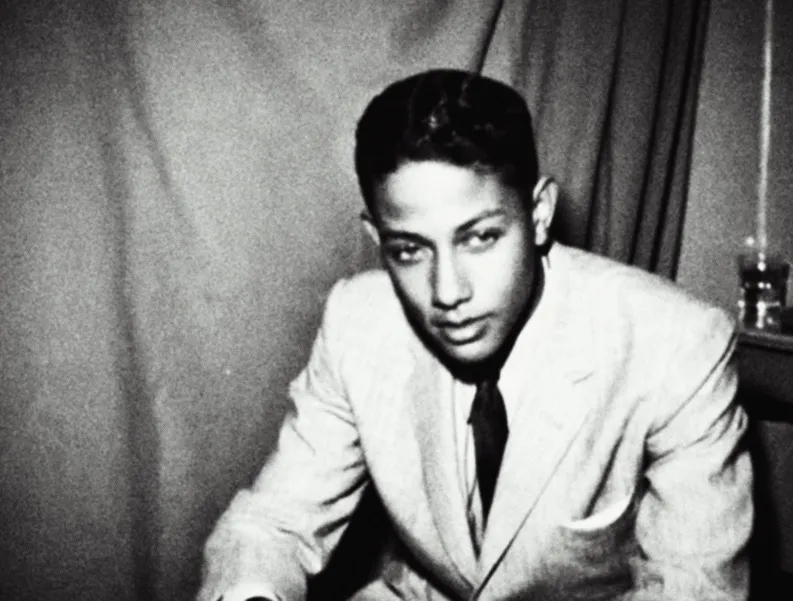
Photo: 50sMusicArchive, CC BY 4.0, via Wikimedia Commons
Every summer, a handful of brilliant young international acts arrive at British festivals and discover that the thing standing between them and the stage is not a soundcheck. It is paperwork. If you are 17 and booked to play in the UK in 2027, this is the season to understand it, because none of it is negotiable and most of it needs weeks of lead time.
The licence comes first, the set time comes second
In England, a child performing in a commercial context needs a performance licence from the local authority where the event takes place, under the Children (Performances and Activities) (England) Regulations 2014. Scotland and Wales have their own, broadly similar, regimes. For group performances where individual licences are impractical — a youth orchestra, a dance troupe, a band of minors — the organiser can apply for a Body of Persons Approval instead.
What this means practically: the promoter applies, not you. The local authority then sets the conditions, and those conditions include the maximum number of performances, the latest finishing time, rest breaks and, if the run falls on school days, how much education must be provided. If a promoter says 'we'll sort the licence once we know the set time', that is backwards. The licence shapes the set time.
Chaperones are not a formality
A child performing under a licence must be in the care of an approved chaperone. In England a parent can sometimes take that role, but the local authority has to agree it and the licence will say so explicitly. Do not assume a parent travelling with you is automatically the chaperone on paper.
Ask, in writing, who is chaperoning, whether they are licensed, what ratio of children to chaperones the authority has set, and whether the festival is paying for that person's travel, accommodation and meals. A promoter who has not budgeted for the chaperone's costs has not thought the booking through, and that tells you something useful before you sign.
Curfews, hours and the small print of the premises licence
Two separate clocks are ticking. One is the performance licence, which caps hours and finish times for under-18s — expect tighter limits the younger the performer. The other is the venue's premises licence under the Licensing Act 2003, which sets the overall curfew and often imposes conditions on where under-18s can be and when.
That second clock explains a rule that confuses a lot of visiting artists: you may be barred from bar areas, or required to be accompanied there, or asked to leave the site after a certain hour. It has nothing to do with your performance and everything to do with the venue keeping its licence. Plan your evening around it rather than arguing with a steward at 10pm.
Safeguarding: name the human
Every reputable UK festival should have a named safeguarding lead, a written policy, and staff and volunteers who have been through basic safeguarding training. The bigger ones will have a welfare tent. Ask for the safeguarding lead's name and a phone number before you travel, and give that number to your guardian.
Also confirm: where you are sleeping and who else is in that accommodation; who is responsible for you between the end of your set and the next morning; what the medical and emergency consent arrangements are; and how the festival will contact your guardian if something goes wrong at 1am. Vague answers to any of these are your cue to push harder.
Visas, airports and consent letters
Under-18s travelling to the UK for paid work will usually be on the Temporary Work – Creative Worker route, which means a Certificate of Sponsorship from the festival and a guardian consent letter among the supporting documents. Add to that the airline's own rules: several carriers will not carry under-16s unaccompanied, and some require signed consent forms for any minor crossing a border. Check the policy for your specific airline before the tickets are booked, not after.
Carry printed copies. Border officers are not impressed by a screenshot on a phone with 4% battery.
What to put in the contract
Your guardian signs, not you. Make sure the agreement names the performance dates and times, the fee, the chaperone and who pays for them, accommodation details, insurance cover, cancellation terms and — importantly — a clause saying that if the licence is refused or amended, the fee is still payable if the change is not your fault. Festivals do get licence conditions altered at short notice. You should not carry that risk.
Turning the restrictions into an advantage
Here is the part nobody says out loud: being under 18 often gets you a better slot than the one you were imagining. Daytime and early-evening sets mean a warmer crowd, a family audience, daylight photographs that actually look good, and no competition with a headliner. Youth and learning programmes frequently have budget attached and are actively looking for young international artists to feature.
So ask for the afternoon slot and the workshop. Ask to be programmed alongside a local youth ensemble. Ask whether there is a schools session the day before. Those are the bookings that come with support, an audience and a second fee — and they exist precisely because the rules you were worried about forced the festival to plan properly.
The five questions to send this week
- Who is applying for the performance licence, and when?
- Who is the licensed chaperone, and is their travel and accommodation covered?
- What time does my licence allow me to finish, and what does the premises licence say about under-18s on site?
- Who is the named safeguarding lead, and what is their contact number?
- What does the festival need from my guardian, in writing, and by when?
Send them now, in one email. A good promoter will answer all five in a day. A bad one will answer two and change the subject — and that is information worth having in November rather than July.