Before You Board That Flight: The Two-Day Sprint That Turns a UK Festival Set Into a Return Booking
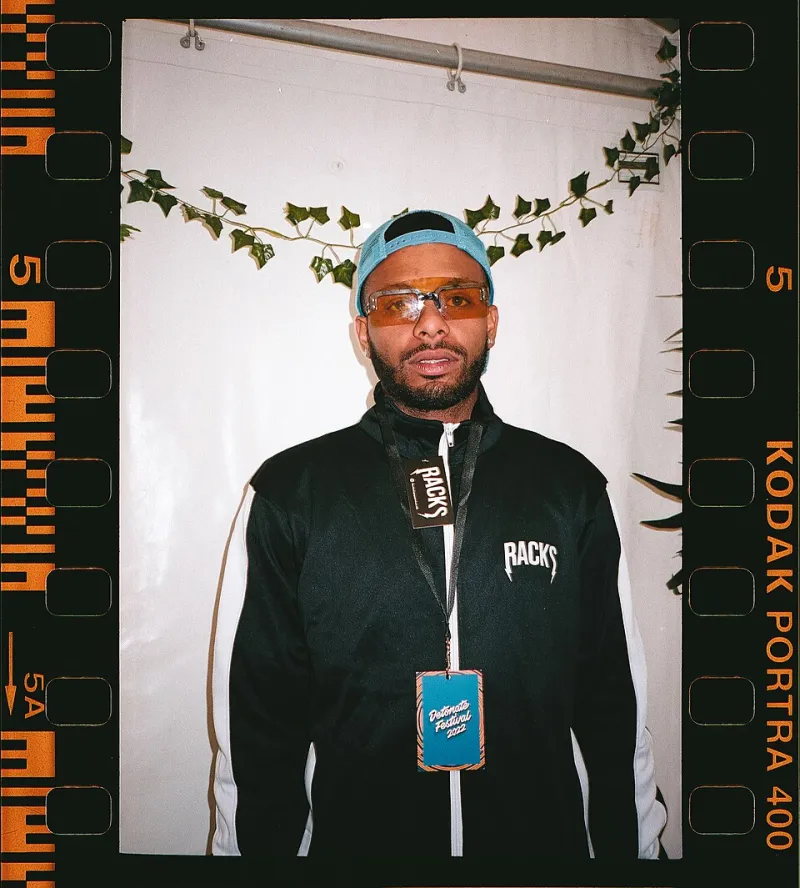
Photo: Punchupdads, CC BY-SA 4.0, via Wikimedia Commons
The flight home is the most expensive mistake in the festival calendar. Not the fare itself — the timing. Every summer, international artists play a UK festival, smash the set, pack the merch, and disappear to Heathrow before the promoter has finished stacking the barriers. Then they wonder why the inbox goes quiet.
The real work starts when the stage lights go down. The two days after a UK festival set are when a one-off booking becomes a relationship, and relationships are what get you back. Here’s a plan that assumes you’re tired, slightly sunburnt, and not in the mood for corporate follow-ups. Good. It’s built for that.
Hour Zero: the set ends, the relationship begins
Before load-out, before the pint, before someone suggests a lock-in: get names. Not vibes. Names. The stage manager who sorted your DI box, the artist liaison who found you a quiet room, the production manager who didn’t blink when your laptop refused to talk to the desk. Write them down in your phone. If you’re the kind of person who loses notes, text them to yourself. This is the raw material for the next 48 hours.
UK festival crews are small, brilliant and permanently mid-crisis. They remember the acts who make their day easier. They also remember the ones who treat the crew like furniture. Be the first kind.
The night of: one honest message, not a group chat broadcast
Send a single message to the promoter or programmer before midnight: thanks, here’s the thing that worked, here’s the thing you’d change. Keep it short. No attachments. Ask one question — who else should I be talking to? That question is the whole game. Promoters in the UK scene talk to each other constantly; a warm intro from them is worth more than 500 cold emails.
If the set went badly, say so lightly and move on. A honest note after a scrappy show reads as professional, not tragic. Silence reads as either arrogance or disinterest. Neither gets you rebooked.
Day one, morning: the thank-you that doesn’t read like a template
By 10am, send three short notes. One to the artist liaison. One to the stage manager or production contact. One to the promoter. Different messages, same principle: specific, human, useful. Mention something only they would know. 'The spare vocal mic at 20 minutes’ notice saved me' beats 'thanks for having me'. If you have a photo of the crew at work, send it — not a selfie, a photo of them. It’s a small thing. It gets remembered.
Do not send the same paragraph to all three. People forward emails. If your thank-you is copy-paste, it will be spotted, and the goodwill evaporates faster than a festival wristband tan.
Day one, afternoon: follow the crew, not just the booker
Most artists only chase the booker. That’s a mistake. In the UK, the production manager, the stage manager and the artist liaison often work across multiple festivals and venues. They are the people who say your name in the right room six months later. Follow them on the platforms they actually use. Not a mass follow, a real one. Reply to a story. Ask a technical question about the venue. Keep it light.
If you’re heading to another UK date, ask the crew what they’re working on next. They’ll tell you. That’s a warm lead with a face attached. And if they offer you a contact, use it within 24 hours — a lead that goes cold overnight is just a name in a phone.
Day two: the promoter note that asks for a return
By day two, you should be sending the thing most artists never send: a short, clear note about what you could do next. Not a full EPK dump. Two lines on the set, one line on audience response if you have it, and a specific ask. 'If you’re programming the Sunday next year, I can do a 45-minute version of this set with a local support act.' Specific asks get specific answers. Vague asks get archived.
Attach one good live photo and a link to a two-minute live clip. No WeTransfer folders. No 14-page decks. UK promoters are drowning in email; make yours the one that opens in five seconds.
If you don’t have footage yet, say when it’s coming and then actually send it. A promised follow-up that arrives is a second conversation. A promised follow-up that never lands is a small credibility leak.
The stuff not to do before you fly
Don’t send a generic mailout to every address you collected. Don’t add the promoter to your newsletter without asking. Don’t post a 12-slide carousel of your set before you’ve sent a single thank-you. Don’t leave the UK without confirming who owns the live footage and whether you can use it. And don’t assume the festival will send you the photos. Ask on day one.
One more: if you promised a guestlist spot, a signed poster, or a chat with your manager, do it before you board. Small promises kept are the cheapest reputation you’ll ever buy.
A two-day timeline you can actually keep
Night of the set: collect names, send one message to the promoter, sleep.
Day one, 10am: three specific thank-yous. Day one, 2pm: follow the crew, ask one useful question, save any content you’ve been tagged in. Day one, 6pm: post one live photo — tagged, not tagged-to-death. Day two, 10am: send the return-booking note with a clear ask. Day two, 4pm: log everyone in a spreadsheet with a next-action date. Day two, evening: pack, but leave one thing undone — a reason to email again in three weeks.
That last bit matters. The afterglow isn’t about one big follow-up; it’s about a rhythm. A short check-in after the footage lands. A congratulations when their next festival announces. A note when you’re back in the UK. None of these need to be long. They need to be human.
The afterglow is a working window
The 48 hours after a UK festival set are not a victory lap. They’re the part of the tour that nobody puts on the poster: the follow-up, the names, the small promises. Do it properly and you’re not just another international act who played a field in July. You’re the one who’s still in the conversation in November. That’s how a one-off set becomes a return booking — and how a festival fling becomes a career.