The Come-Down Clause: Give International Artists a Post-Festival Rider, Not Just a Stage Time
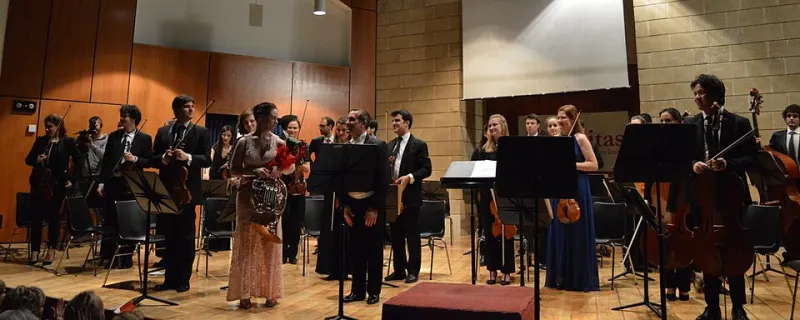
Photo: Fidesratio, CC BY-SA 4.0, via Wikimedia Commons
The last chord has rung out. The crowd is streaming towards the car park, the barriers are coming down and the artist liaison is already halfway through a clipboard. For a young international artist, though, the festival does not end when the lights go up. It ends when the expenses clear, the follow-up email lands and the adrenaline finally drops. Too often, none of those things happen on schedule.
At WEYA we spend a lot of time looking at how emerging artists get onto international bills. We talk about visas, travel, fees and the handshake that gets a UK act abroad or a global act into a UK field. What gets less airtime is the come-down: the 48 hours after the set, when a brilliant opportunity can quietly turn into an unpaid invoice, a lonely hotel room and a silence that lasts for weeks.
The gap between the booking and the goodbye
UK festivals have become genuinely good at the arrival. There is often a travel budget, a green-room rider, a local runner and a stage manager who knows where the nearest pharmacy is. That is not nothing. For a young artist flying into a UK festival for the first time, those small bits of care can be the difference between a confident set and a complete wobble.
The departure is where the professionalism sometimes runs out. Receipts get photographed and then forgotten. Per diems are promised verbally. A promoter says they will send footage and never does. The artist gets home, opens their inbox and finds nothing but a mailing list sign-up. They are left doing the emotional and administrative labour of chasing a festival that has already moved on to next year's programme.
This is not about luxury. It is about the basic hygiene of an international booking.
What aftercare is not
Aftercare is not a spa day or a therapist on call at every festival gate. It is not babysitting, and it is not an excuse for artists to avoid their own admin. It is the practical stuff that makes a cross-border gig feel like a professional exchange rather than a favour.
For a young artist, the post-festival week is often when the real costs land. There are train fares home from a rural site, excess baggage charges, currency conversion fees and the slow realisation that the fee has to cover next month's rent. There is also the mental health piece: the sudden quiet after a high-pressure performance, the comparison spiral on social media and the question of whether anyone actually valued the set.
The post-festival rider
A post-festival rider is a short, agreed list of what happens after the encore. It can sit alongside the technical and hospitality riders. It does not need to be adversarial. It just needs to be written down.
1. A named aftercare contact
One person who is still reachable for two weeks after the festival. Not a generic inbox. A human, with a working email and a clear idea of who signs off expenses.
2. A receipts deadline and a payment date
If artists are paying for travel upfront, say when receipts are due and when reimbursement will land. Put it in the contract, not in a friendly chat by the portacabin.
3. A travel-home plan
The journey back is part of the gig. Confirm the transfer, the train ticket or the airport drop-off before the artist goes on stage. If the plan changes, tell them before the encore, not after.
4. A decompression window
Do not schedule a press interview, a networking drinks or a panel chat immediately after a set if the artist has asked for a pause. A quiet room for twenty minutes is cheaper than a cancelled show.
5. Follow-up assets within fourteen days
Photos, footage, stage times, audience numbers and the contact for the programmer. Young artists need material for their next application. If the festival controls the content, say what the artist can use and when.
6. Mental health signposting
A short list of UK-based support routes for artists who are travelling alone or staying on after the festival. It does not have to be dramatic. It just has to be visible.
7. A feedback conversation
A ten-minute call or a short form asking what worked and what did not. This is how a first booking becomes a second one. It also gives the festival useful intelligence for next year's programme.
8. Written confirmation of rights and invoice status
Who owns the recording? Can the artist post the set? Has the invoice been received? Is there a purchase order number? These are boring questions that save months of confusion.
For artists: how to ask without sounding difficult
You do not need to arrive with a legal team. You can ask for aftercare in the same tone you would use to confirm a soundcheck. Try: I am really looking forward to the show. To help me plan the trip home, could we confirm the expenses process and who I should check in with after the set?
Or: I am keen to make the follow-up easy. Will there be photos or footage I can use, and is there a date when those will be ready?
That is not diva behaviour. That is a young artist learning how to run an international career.
For organisers: the cheap wins
Most of this costs very little. A named contact, a shared document, a calendar reminder and a clear receipts policy can transform the experience. UK festivals already invest in the booking. The aftercare is the part that tells an international artist whether they were a guest or a transaction.
As the 2026 season closes, the UK has a chance to lead on this. Not with a grand strategy, but with a clause. A post-festival rider is not the glamorous end of festival-making. It is the end that artists remember when they decide whether to come back.
The come-down is part of the gig. It is time the paperwork said so.