Five Shifts Already Shaping UK Festival Bills for 2027
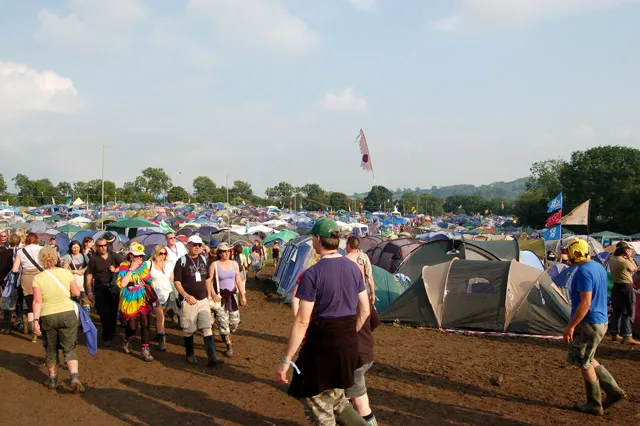
Photo: Andy F, CC BY-SA 2.0, via Wikimedia Commons
The 2026 UK festival season is closed. The tents are drying, the production crew are on a well-earned break and the promoters are already in planning meetings for 2027. If you are an emerging international artist hoping for a UK slot next summer, the spring announcement cycle is closer than it looks. Here are five shifts already showing up in booking conversations — and one concrete move for each.
1. Shorter international slots, sharper sets
Promoters are still cautious about travel costs and risk. That means more 20- to 30-minute early-day slots for first-time international acts, and fewer 'let's give them 45 minutes and see' bookings. A shorter set is not an insult. It is a test. If you can make 20 minutes feel like a complete thought, you are more likely to be invited back for a longer slot.
Your move: build a festival set that works in 20 minutes. Cut the intro, cut the second verse if you have to, and put the song with the clearest vocal first. Record a one-camera live video that shows you can hold a room without a headline lighting rig. Send that video, not a 12-minute EPK.
2. Paired local supports become normal
More UK promoters are pairing an international act with a local support to share backline, travel and audience. It is partly economics and partly audience-building: a local act brings people who might not otherwise turn up for an unknown name. The pairing is not a threat to your fee. It is a chance to look like part of a scene rather than a fly-by-night booking.
Your move: when you pitch, ask who the local support might be and offer a shared backline plan. Better still, find a UK act you genuinely like and propose the pairing yourself. Do not call it a package. Call it a double bill with separate fees. Promoters like a bill that looks thought-through.
3. Application costs get clearer — but not free
Open calls are getting more transparent about admin fees, but they are not disappearing. Some festivals now charge a small application fee to filter serious submissions. Others ask for a deposit against a slot. That is not automatically a scam, but it is a cost you need to budget for. A £30 application fee is fine if the festival has a track record. Five £30 fees in a week is a problem.
Your move: set an application budget for the 2027 cycle and track every fee. Ask what the fee covers before you pay. Prioritise calls that tell you when decisions will be made and what the fee includes. If a festival cannot answer a basic question about its application process, that is your answer.
4. Sunday programming becomes the test slot
Sunday afternoon is no longer the graveyard. Promoters are using it for emerging acts, family-friendly programming and lower-risk international bookings. The audience is gentler, the curfew is earlier and the room is often fuller than a 1am slot on a second stage. For a first UK festival, Sunday can be the smartest ask.
Your move: pitch a Sunday set specifically. Offer a version of your show that works in daylight: fewer strobes, clearer vocals, maybe an acoustic song. If you have a quiet, harmony-heavy set, say so. Promoters are not only looking for late-night energy. They are looking for something that fits a particular hour.
5. Evidence beats hype
Promoters are drowning in links. What cuts through is evidence: a live video that sounds like the record, a ticket link from a previous UK show, a mailing list number that is real, a quote from a festival that actually hosted you. Vanity metrics are easy to spot. A 200-person show with a queue around the corner is not.
Your move: build a one-page evidence sheet before the spring announcements. Include two live clips, one press quote, one previous UK date and a clear line about what you can deliver: '30-minute set, four-piece, shared backline, available June–August.' Update it in January and send it only when someone asks for more material.
What to do before the spring cycle
January and February are when many UK festivals finalise their first announcements. That means your work happens in December. Update your live show, record one good video, decide your travel budget and make a list of 15 realistic festivals. Not the dream list. The realistic list. Then send five careful pitches a week, not fifty copied ones.
The 2027 season will not be won by the act with the loudest email. It will be won by the act that makes the promoter's job easier: a clear set length, a clear fee, a clear travel plan and a clear reason to book you now. Start with one of those today.