Stop Grading International Acts on Turnout — Grade the Festival's Local Bridge Instead
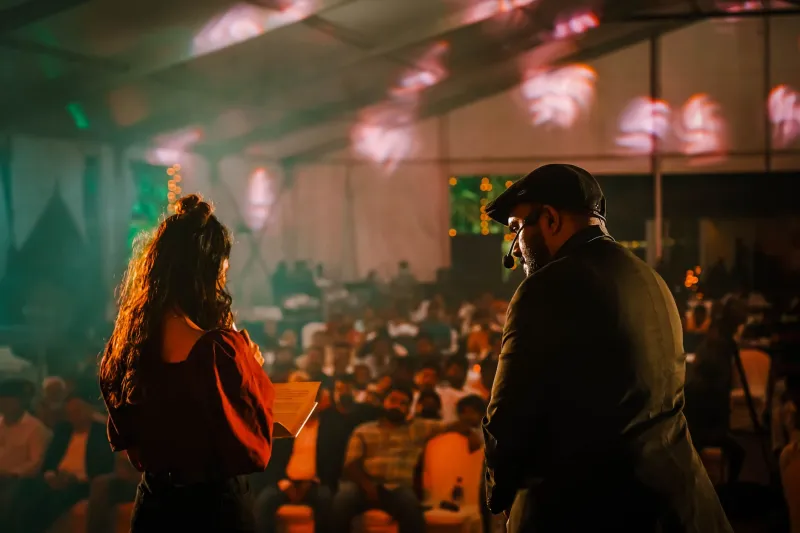
There is a familiar scene at UK festivals. A young international act plays a mid-afternoon slot. The sound is good, the set is tight, and the room is half empty. Afterwards, someone in the production office says the artist did not bring an audience. As if a flight from Lagos, a train from Leeds and a visa appointment were all meant to culminate in a ready-made local crowd. It is a strange expectation, and in 2026 it is getting stranger. Travel costs are up, paperwork is fiddly, and emerging artists are being asked to function as promoters, marketers and community builders on top of being musicians.
A festival booking is not a distribution deal. If a UK festival wants a visiting artist to connect with a local audience, the festival has to build the bridge. That is where the co-sign comes in.
What a co-sign actually is
A co-sign is not a support slot. It is not a token mentor who appears for one photo and disappears before soundcheck. A co-sign is a named local human with credibility in a specific scene: a promoter who runs a beloved basement night, a radio host with a loyal Saturday show, a zine editor who documents a city's DIY spaces, or an emerging UK artist whose audience trusts their taste.
That person introduces the visiting act to their crowd. They provide context. They explain why this artist matters, what to listen for, and where the set fits in a wider conversation. The co-sign says: this is not random. Someone local has put their name next to it. That is worth more than a generic festival listing and a few scheduled posts.
How to structure the partnership
Start early. Eight to ten weeks before the festival is realistic. A one-page brief should cover the audience, the tone, the expected deliverables and what the local partner gets in return. Pair people by genre, community and energy, not just by city. A Bristol-based promoter who lives for experimental electronic music is not interchangeable with a Cardiff folk night host.
Give the local partner room to frame the artist in their own voice. The festival supplies assets, interview time, guest list access and a budget for the partner's work. The artist supplies a short interview, two or three usable clips, a playlist and availability for one warm-up conversation. Nobody should be asked to produce forty social posts from a tour van.
A useful structure looks like this: the local partner hosts a warm-up radio segment or playlist; the artist does a fifteen-minute Q&A; the festival cross-promotes both; and, where possible, an emerging UK act joins the bill for a co-sign swap. That last part matters. A co-sign should be reciprocal, not a one-way favour.
What fair promotion looks like on both sides
The festival must promote as well. That means a proper listing, a context-rich blurb, local press outreach, accessibility information and a clear schedule. It is not fair to expect an international artist to cold-call journalists in a city they have never visited. It is also not fair to dump the entire marketing burden on a local partner who is likely already underpaid.
Equally, the artist has responsibilities. Share assets on time. Be reachable. Turn up prepared. Do the interview. Respect the local context. The co-sign works when both sides behave like collaborators rather than contractors.
Most importantly, pay the local partner. Exposure is not a fee. If a festival can budget for a stage manager and a lighting tech, it can budget for the person translating the artist to a local audience.
Measuring success beyond ticket sales
Ticket sales are not useless, but they are a blunt instrument for an emerging international act in a new market. A better scorecard includes the local partner's reach and engagement, the number of first-time attendees, radio and press features, playlist adds, mailing-list sign-ups, post-show audience feedback and whether the local partner would work with the artist again.
A room of sixty people who now know the artist's name is a better outcome than two hundred people who wandered in for the cheap drinks and left before the second song. Count qualified attention, not just footfall. Document what worked. Ask the co-sign partner what they would change. Then feed that back into next year's programme.
The uncomfortable bit
A co-sign can become tokenism if it is unpaid, last-minute and treated as a box-ticking exercise. Do not pair an international artist with a local community partner and then give them no resources. That is not a bridge. That is a photo opportunity with admin attached.
In 2026, audiences want context. They want to know why something is worth their time. Festivals that build genuine local bridges will get better shows, better rooms and better stories. The empty room is rarely the artist's failure. Usually it is a missing link. Give every international act a UK co-sign, and grade the festival on whether that bridge actually held.