Reading the Room After the Set: A Field Guide to UK Promoter Follow-Ups
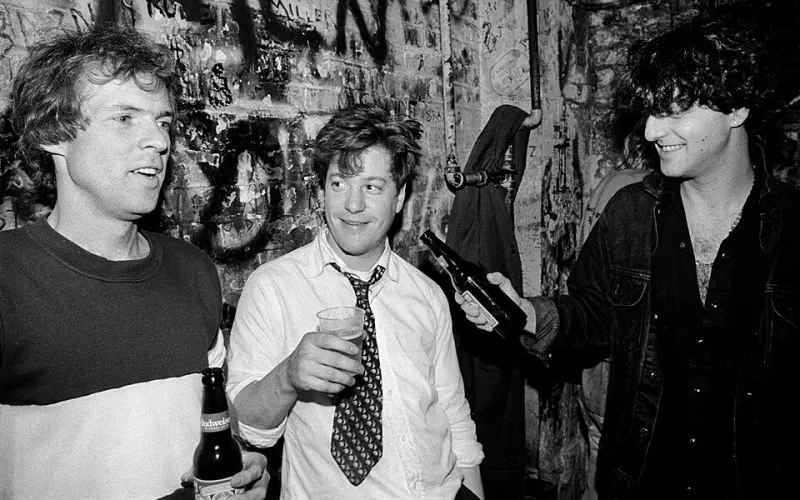
Photo: Davidphenry, CC BY-SA 4.0, via Wikimedia Commons
You come off stage at a 300-cap festival in Leeds. The promoter shakes your hand, says 'Let's stay in touch', and disappears to deal with a bar queue. Three weeks later you are still refreshing your inbox. Was that a no? A maybe? A polite way of saying 'never email me again'? Probably none of those. UK promoters are not famous for clear rejection letters. They are famous for being busy.
The phrasebook
Here is a rough translation of the lines you will hear most often.
'Let's stay in touch'
Usually means: I am not booking you for this cycle, but I do not want to close the door. It is a filing instruction, not a contract. Add them to your mailing list, send one thank-you, then send useful updates at sensible intervals. Do not treat it as a promise of a follow-up meeting.
'Send me some more material'
This is real only if it comes with a specific request: a new EP, a live video, a link to a show. If it is vague, reply with one link and ask what would be most useful. Sending 14 attachments is not 'more material'. It is a test of their patience.
'We'll see how the numbers land'
Usually means the decision depends on ticket sales, funding or a partner venue. It is a maybe for next year, not a yes for this one. Ask when the numbers will be clear. If they say January, diarise January. Do not email in December asking if the numbers have landed.
'We're sorted for this year'
This is a no for the current cycle. It is also an invitation to ask when the next cycle opens. One sentence is enough: 'Understood — when should I check back for 2027?'
A follow-up calendar that isn't annoying
Think of follow-up as a rhythm, not a campaign. The aim is to be memorable without becoming admin.
| When | What to do |
|---|---|
| 24–48 hours after the set | Send a short thank-you. One photo, one live link, no attachments. Ask for one piece of feedback if it feels natural. |
| 2 weeks later | If they asked for material, send exactly that. If they did not, do nothing. |
| 6–8 weeks later | Send a one-paragraph update with a real reason: a new single, a UK tour date, a radio play. No 'just checking in'. |
| Late January | Pitch the spring and summer 2027 cycle. Keep it short and include available dates. |
| After the festival season | Send a post-season note if you have something new. If you have nothing new, wait. |
Stop after two unanswered emails. Move the promoter to a quarterly newsletter list and get on with your work. Chasing the same inbox every week does not make you persistent. It makes you a filter.
What to send, what to stop sending
Send: a private link, a 60-second live clip, a one-line update, a clear list of available dates and a press quote that actually says something. Send a reminder of where they saw you: 'I played the second stage at [festival] on Saturday — here is the live video of the closing song.' That is a memory jog, not nagging.
Stop sending: full EP files as attachments, repeated 'did you get my email?' messages, public subtweets about promoters ignoring you, and links to every remix you have ever made. Also stop asking for 'any opportunities' without saying what you can actually do. Promoters book specific things: a 25-minute opening set, a Sunday acoustic slot, a late-night DJ set. Be specific.
Why silence is often admin, not rejection
Promoters are not sitting in a dark room composing ways to ignore you. They are chasing a licence, a headline fee, a broken backline and a ticket link that does not work. One promoter I spoke to described their inbox as 'a second festival I run for free'. Silence usually means your email is in a folder marked 'later', not a folder marked 'never'.
That does not mean you should wait forever. It means you should give the silence a shape. Two follow-ups, a clear ask and a date to check back is professional. Ten follow-ups is a hostage situation.
The polite no is still useful
If you get a no, ask for one sentence: 'Is there a better time to check in, or someone else I should speak to?' A good promoter will give you a month or a name. A bad one will not, and that is information too. Keep a simple spreadsheet: venue, promoter, date seen, what they said, what you sent, next action. Callback culture is not about cracking a secret code. It is about being easy to remember when the next bill needs filling.