Two Weeks, One Booking: The UK Residency Hiding Inside Your Festival Slot
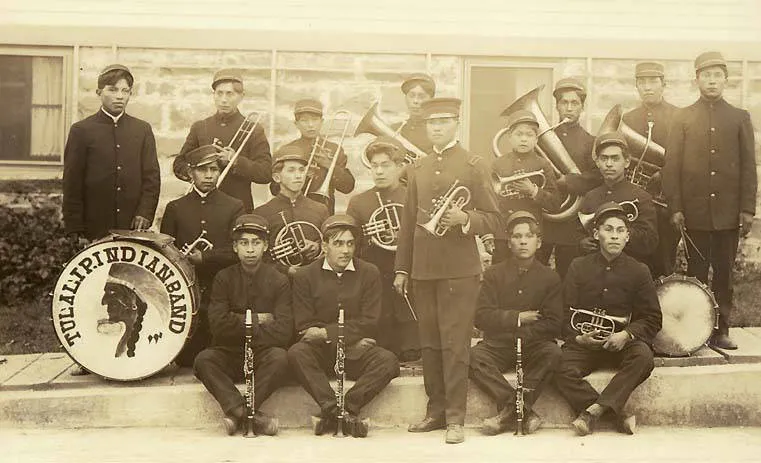
Photo: Ferd Brady, Public domain, via Wikimedia Commons
The email lands in November. One slot, Saturday night, forty minutes, £600, 'a small contribution towards travel'. Most international artists read that and start hunting for a 48-hour flight turnaround. The smarter reply is a different question entirely: can we stay a bit longer?
The arithmetic that makes a weekend look daft
Do the sums on a first UK trip. Return flights from most of Europe run £150–£400. From West Africa, South Asia or the Americas, considerably more. Add a Temporary Work – Creative Worker visa application, insurance that genuinely covers performance work, airport transfers, three nights of somewhere to sleep and four days of food. A £600 fee evaporates somewhere over the Channel and you fly home having paid for the privilege of playing.
Now stretch the same trip to a fortnight. The flight costs the same. The visa costs the same. Accommodation is the only line that grows — and it is precisely the line that festivals and arts centres are most willing to cover when you are doing something on site. That, in one sentence, is what a residency is.
What the word actually means in Britain
The UK is unusually well stocked with buildings that have a stage, a rehearsal room, a cafe and a learning programme. Arts centres such as Metal in Southend and Peterborough, Chapter in Cardiff, The Glasshouse in Gateshead, Cambridge Junction, plus a long tail of regional theatres with studio spaces. Many run associate artist schemes or host visiting companies for a week or two at a time.
A festival with an engagement budget can often host you for a fortnight more cheaply than it can raise your fee, because the money sits in different pots. A wrapped residency usually looks like this:
- Three to five days of rehearsal or creation time in a proper room, with a technician for at least part of it
- Two to four workshops — a school, a youth group, a community choir, a Saturday drop-in
- One or two performances, one of which may be the festival slot you were originally offered
- A documentation day, sometimes with a photographer the venue already pays for
You still get the festival. You also get time, a room and a second invoice.
Telling a real offer from a friendly email
Phrases like 'we'd love to have you around' are not an offer. Look for specifics.
Green flags: a named space and a named human; fixed dates in writing; a residency fee quoted separately from the performance fee; accommodation confirmed rather than promised; access to a technician, a piano, a projector — whatever your practice actually needs; a contract with cancellation terms; an expenses policy; and a straight answer on who owns what you make while you are there.
Red flags: the word 'exposure', dates that keep drifting, a fee described as 'a contribution', silence on insurance, and — the big one — nobody able to tell you who the safeguarding lead is.
Ask for all of it in writing, even when it feels awkward. A venue that runs residencies has a template to hand. A venue that doesn't will thank you for clarifying the shape.
Pitching one to a festival that never advertised it
Almost no festival advertises residencies. They commission them quietly, usually because an artist asked at the right moment with the right offer.
The right moment is now. November and December are when UK programmers lock next summer and, crucially, commit learning and engagement budgets before the financial year closes in March.
A pitch that works is short. Three paragraphs: who you are with one link to one live video; what you would do with five extra days in their town and which local group you would do it with; and what it would cost, broken down, with a line showing you understand that the participation budget is separate from the programme budget. Offer an outcome they can put in a funder report — a workshop series for their youth board, a scratch performance with local artists, a filmed asset they can use all year. Arts Council England project grants and the PRS Foundation both fund this kind of activity, and programmers know it.
Budgeting the extra ten days
A rough shape for a fortnight outside London:
- Accommodation: £35–£70 a night if self-funding. Ask directly whether artist housing, a host family or the spare room above the office exists. Many venues have one and forget to mention it.
- Food: £20–£30 a day in most UK cities. Push for a per diem clause inside the residency fee.
- Local transport: £30–£60 for a fortnight on a bus pass; more if the venue is rural, which is exactly when you ask for a lift.
- Insurance: £40–£90 for a short specialist policy covering equipment and public liability.
- Contingency: 15% on top of everything. Visas get queried, flights move, phones die.
The visa point deserves more respect than it gets. A Creative Worker application needs a Certificate of Sponsorship from your sponsor and roughly eight weeks of patience, and a residency is far easier to justify than a single gig if the activity genuinely stretches across the period. Get the dates right the first time; amendments cost money.
What you actually take home
A fortnight in one British town gives you something a forty-minute set never will: a venue that knows how you work, a group of local participants who will turn up next time, a filmed session, and a programmer who has watched you teach, rehearse and perform. That is three references instead of one.
The weekend slot is not the booking. It is the door. Push it a little further and see what is behind it.